
In the 2026 Dutch housing market, three letters can make or break your bid: EPC.
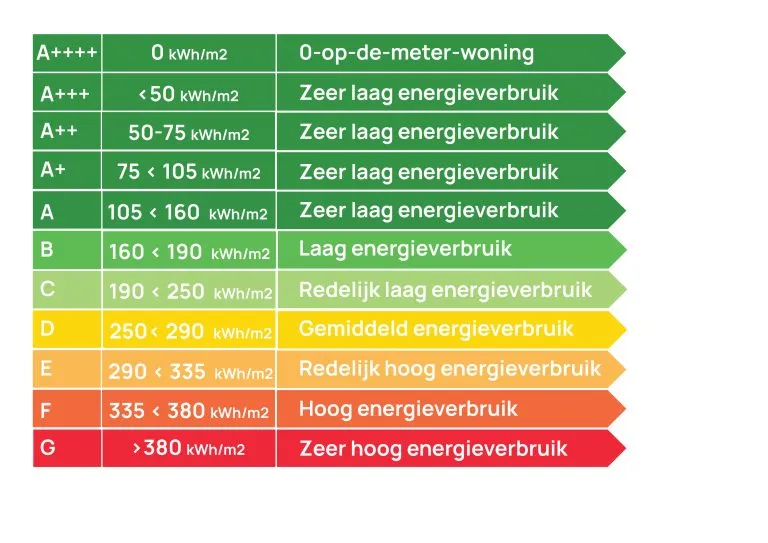
EPC stands for Energy Performance Certificate—more commonly known in the Netherlands simply as the “energielabel” (energy label).
We’ve all seen it: a beautiful 1930s townhouse in The Hague with high ceilings and original stained glass. The price seems right, your income is stable, but then the bank delivers the news—you can’t borrow as much as you expected.
The reason? An EPC rating of Label G.
The 2026 “Green Gap”
As of this year, Dutch mortgage lenders have fully integrated sustainability into their lending criteria. The difference in borrowing power between an A++++ (climate-neutral) home and an E, F, or G labeled home has widened significantly.
- For A++++ homes: Banks allow for extra borrowing capacity (up to €40,000 extra in some cases) because your “expected” monthly energy costs are near zero.
- For G-labeled homes: You receive zero extra capacity for the purchase, and lenders are increasingly cautious about the “future-proofness” of the collateral.
The Trap: The “Renovation Requirement”
Buying a lower-labeled home in 2026 often comes with a “hidden” financial obligation. To reach the NHG and state sustainability targets, buyers are often expected to set aside a Sustainability Budget (Bouwdepot).
While you can borrow extra to fix the label (up to €20,000+ specifically for green measures), this money is locked in a construction depot. You cannot use it to cover the “kosten koper” or the overbid. This means your out-of-pocket cash needs might be higher than you planned for a “fixer-upper.”
The “Sustainability Discount” is Gone
As of April 1, 2026, many major Dutch banks (like ABN AMRO) have officially phased out the old “Sustainability Discount” on interest rates for existing B-labels. Instead, they have moved to a system where the label directly dictates the base interest rate.
- Label A/B: You get the sharpest market rates.
- Label D/G: You may face a “risk surcharge” on your interest rate, costing you thousands over the life of your fixed-period.
Expert Tip: Before you fall in love with a property, ask your real estate agent for expats to run a “sustainability scan.” In 2026, a house that is €20,000 cheaper but has a Label G might actually cost you more per month than a Label A home at a higher asking price.
Is a Label G ever a good deal?
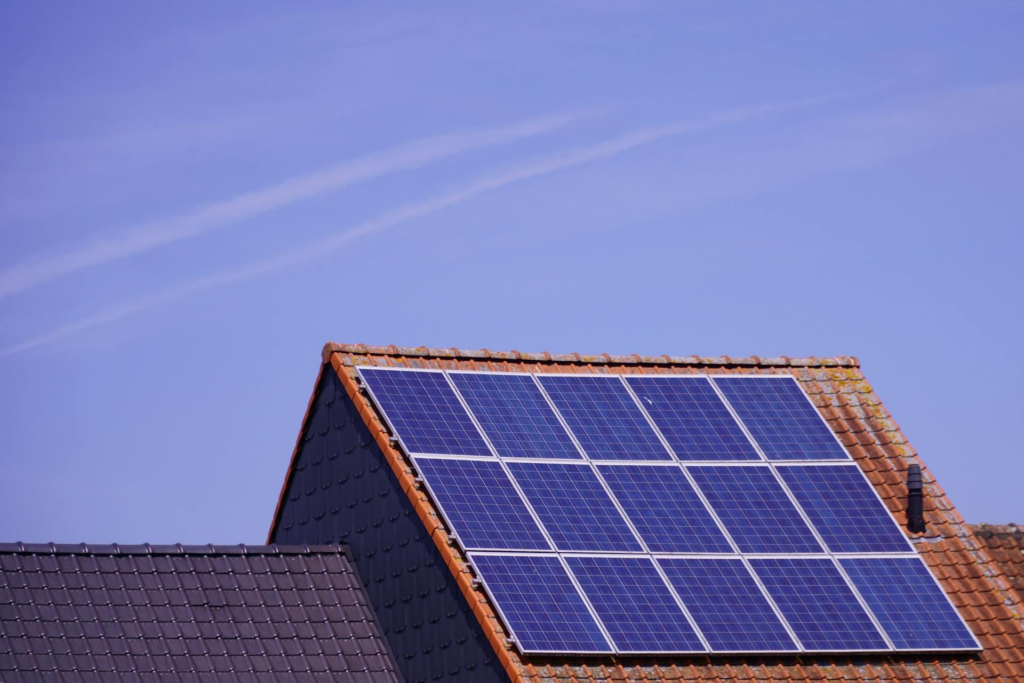
Yes—if you have a plan. With the 2026 ISDE subsidies covering 20–30% of insulation and heat pump costs, and the 2026 “Startersvrijstelling” (transfer tax exemption) still helping buyers under 35, there is a path to profit. Buying a “bad” label and upgrading it to a “B” or “A” can instantly increase your home’s value by 8% to 14%, often far exceeding the cost of the renovation.
Don’t let a bad label ruin your dream home
The rules are changing fast, and what worked in 2024 doesn’t apply today. I help expats navigate the technical and financial hurdles of The Hague market to ensure your investment is truly “future-proof.”